



Tactile and Inclusive: The Role of Accessible Signage in Modern Design
12 June 2025 3 min read
Good signage should guide everyone—not just those with perfect sight, hearing, or mobility. In 2025, inclusive design isn’t a box-ticking exercise; it’s a vital part of creating public spaces that are welcoming, functional, and compliant.
Accessible signage combines thoughtful planning, specialist materials, and design expertise to ensure clarity for all users. So, what does that actually look like in practice?
Here’s a closer look.
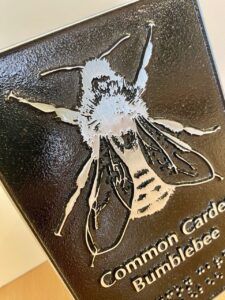
Why accessible signage matters Inclusive signage supports a wide range of users, including those who are blind, partially sighted, neurodiverse, or have cognitive or mobility impairments. It’s also often a requirement under building regulations and accessibility standards.
But beyond compliance, it’s simply the right thing to do. Accessible signage creates spaces that work better for everyone, including those who may not even realise they rely on it—like elderly visitors, tourists, or people in unfamiliar environments.
Core features of accessible signage To create signage that’s truly inclusive, here are some of the most important elements:
At IS Group, we manufacture tactile signage using methods like laser engraving and precision routing, with a focus on durability and clarity. Our braille and raised text signs are tested for readability and installed at consistent, accessible heights.
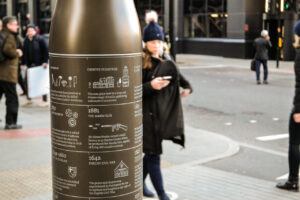
Designing for real-life use Accessibility isn’t just about adding features—it’s about removing barriers. That means:
We also work closely with architects and access consultants to make sure every detail meets the needs of real users, not just design specs.
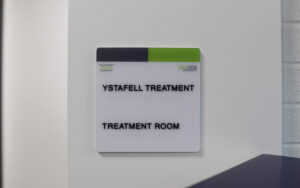
Where inclusive signage makes a difference Accessible signage is essential in:
In each of these spaces, inclusive signage helps people move independently, feel more confident, and interact with their environment on their own terms.
Looking forward Modern design isn’t just about how something looks—it’s about how well it works for everyone. Inclusive signage may take more planning, but the result is worth it: better user experience, wider community access, and smarter, more human-centred spaces.
Want to see how we bring accessible design to life? Explore our recent projects and tactile signage solutions designed for real-world impact.
Signage works hard during the day… but what happens when light levels drop? From darker winter afternoons to 24-hour sites and busy evening environments, visibility quickly changes. This is where...
Read articleIn busy environments, clear signage plays a crucial role in helping people navigate spaces quickly and confidently. Freestanding signage structures – commonly referred to as monolith signs or totem signs...
Read articleIndustrial estates are busy, high-functioning environments. HGVs manoeuvre through shared access roads; delivery drivers search for unit numbers under time pressure, visitors arrive for meetings, staff move between warehouses, offices...
Read article